Ledger Live Latest Version: Update Guide and New Features
Get Ledger Live new version. Update Ledger Live on Windows and Mac. Latest patch notes and features. Download new version free today.
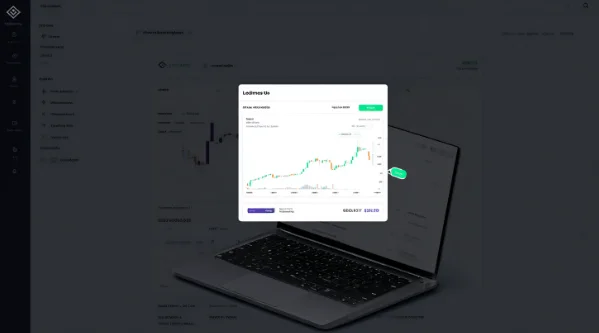
Ledger Live New Version Download
Maintaining current software versions ensures access to latest security improvements, bug fixes, and new features that enhance cryptocurrency management experiences. The Ledger Live new version download process delivers essential security patches addressing vulnerabilities discovered after previous releases, performance optimizations improving responsiveness and resource efficiency, and feature additions expanding platform capabilities for managing evolving cryptocurrency ecosystems. Regular updates transform Ledger Live from static software into continuously improving platforms adapting to changing security threats, emerging blockchain networks, and user feedback requesting enhanced functionality.
Current version maintenance proves critical for cryptocurrency security as outdated software exposes users to known vulnerabilities that attackers actively exploit once security researchers publicly disclose issues. Development teams prioritize security fixes above all other improvements, often releasing emergency updates outside normal cycles when critical vulnerabilities require immediate attention. Staying current with the latest version ensures users benefit from these protections, closing security gaps that could potentially compromise portfolio privacy or enable attacks disrupting cryptocurrency management capabilities.
Current Version Information
The latest Ledger Live version follows semantic versioning conventions with numbers like "2.73.1" where major numbers indicate significant changes, minor numbers represent feature additions, and patch numbers denote bug fixes. Users can verify installed versions through Help menus selecting "About Ledger Live" displaying current version numbers, build dates, and other technical details useful when reporting issues to support teams. Comparing displayed versions against latest releases listed on ledger.com/ledger-live/download confirms whether installations represent current software or require updates.
Release frequency typically follows 2-4 week cycles for minor updates introducing new features and bug fixes, with quarterly major versions containing significant architectural improvements or substantial feature sets. Critical security updates may release outside normal schedules requiring immediate installation before using applications for sensitive operations. The Ledger Live patch notes accompany each release explaining what changed, helping users understand whether updates address issues they've experienced or introduce capabilities they desire.
What's New
Recent updates have introduced expanded cryptocurrency support adding dozens of new assets from emerging blockchain projects gaining adoption, improved staking interfaces displaying enhanced validator performance metrics helping users make informed delegation decisions, and refined user experiences through reorganized navigation structures placing frequently used features more prominently. Security enhancements include updated cryptographic libraries implementing stronger algorithms, improved clear signing for smart contract interactions displaying more human-readable transaction details, and enhanced anti-phishing protections warning users about suspicious transaction characteristics potentially indicating scam attempts.
Performance optimizations reduce application startup times through more efficient initialization procedures, decrease memory consumption preventing performance degradation during extended usage sessions, and improve blockchain synchronization speeds through smarter caching strategies. These cumulative improvements create noticeably better experiences compared to versions from months or years ago, demonstrating value of continuous update installation maintaining optimal platform performance and security postures.
Ledger Live Patch Notes
Release notes document specific changes included in particular versions, helping users understand what's new and whether updates address issues they've encountered during cryptocurrency management activities.
Latest Updates
The most recent major update introduced comprehensive improvements across multiple platform areas. Enhanced portfolio analytics provide deeper investment insights through new metrics including risk-adjusted returns measuring performance relative to volatility, correlation analyses showing relationships between different holdings, and attribution reports identifying which assets contributed most to overall returns. These professional-grade analytics support data-driven investment decision-making previously requiring external tools or manual calculations.
Cross-chain swap capabilities enable exchanging cryptocurrencies across different blockchain networks without manual bridging processes that previously required multiple steps across various platforms. Users can now swap Bitcoin for Ethereum-based tokens or exchange assets between different layer-2 networks through streamlined interfaces handling technical complexity behind user-friendly workflows. This integration consolidates operations within Ledger Live's secure environment maintaining hardware wallet custody throughout sophisticated trading operations.
Bug Fixes
Error corrections address software defects causing crashes, incorrect behavior, or degraded performance affecting user experiences. The update Ledger Live windows and Mac releases include dozens of bug fixes resolving issues reported by users or discovered through internal testing. While individual bugs might seem minor, cumulative fixes substantially improve overall software quality reducing frustration from unexpected behaviors and increasing confidence in platform reliability for managing valuable cryptocurrency holdings.
Blockchain synchronization improvements address issues causing portfolio display delays or transaction broadcasting failures that prevented users from accessing current balance information or executing time-sensitive transactions. Memory leak fixes prevent gradually increasing memory usage that eventually caused crashes after extended usage periods, particularly problematic for users keeping applications running continuously for portfolio monitoring. Performance optimizations eliminate bottlenecks causing slow application responses during intensive operations like multi-account synchronization.
New Features
Feature additions expand platform capabilities addressing user requests and enabling participation in emerging cryptocurrency trends. Recent additions include NFT marketplace integrations displaying floor prices and collection statistics within Ledger Live interfaces, though purchases occur through external platforms for security reasons. Enhanced NFT metadata displays show rarity traits and collection attributes supporting proper portfolio valuation for digital collectibles.
Advanced transaction history filtering enables locating specific operations within potentially extensive histories accumulated over months or years. Users can search by transaction types, date ranges, amounts, or counterparty addresses finding relevant transactions quickly. CSV export functionality generates detailed reports suitable for tax preparation software or accounting systems, with customizable parameters selecting specific accounts, date ranges, and included data fields.
Update Ledger Live Windows
Windows update procedures follow straightforward processes requiring minimal user intervention for most situations, with applications handling technical details automatically.
Windows Update Process
Automatic update checking occurs during application launches, with notification banners appearing when new versions are available. These notifications include brief descriptions of update contents helping users understand improvements they'll receive. The update Ledger Live windows mechanism displays "Update Now" buttons initiating automatic processes downloading latest installers and executing them over existing installations. Most updates complete within two to three minutes preserving all settings and account configurations while upgrading application files.
Updates occur in backgrounds during downloads allowing continued application usage, though users must restart applications after installations complete to begin using new versions. The system creates automatic backups before major updates enabling restoration if updates encounter unexpected problems, though these scenarios remain rare with mature update mechanisms. Progress indicators show download and installation status keeping users informed throughout procedures.
Manual update checking occurs through Help menus selecting "Check for updates" forcing immediate verification rather than waiting for automatic checks during next launches. This manual approach proves useful after hearing about security updates requiring prompt installation or when verifying update reception on slower release channels. Users can compare current versions against latest releases confirming they're receiving updates as expected.
Automatic vs Manual Update
Automatic updates represent recommended approaches for most users ensuring continuous protection without requiring manual intervention tracking release schedules. One-time configuration through settings menus enables automatic download and installation with applications handling all processes autonomously. Users only receive prompts for major version updates potentially including significant changes warranting awareness before deployment, while minor updates install completely automatically appearing as new version numbers after restarts.
Manual updates provide control for users preferring to evaluate changes before installation or needing to schedule updates during convenient periods. Manual procedures involve visiting ledger.com/ledger-live/download to obtain latest installers and running them over existing installations through normal installation processes. While providing scheduling flexibility, manual approaches require vigilance monitoring release announcements and discipline executing updates promptly to maintain security currency, making automatic updates preferable for users comfortable with passive update management.
Update Ledger Live Mac
Mac update procedures follow similar patterns to Windows with platform-specific considerations for macOS security frameworks and application management conventions.
macOS Update Steps
Mac applications automatically check for updates during launches displaying notification dialogs when new versions are available. The update Ledger Live mac process presents "Download and Install" buttons initiating automatic procedures that handle downloading latest DMG files and deploying them over existing installations. Updates preserve user settings, account configurations, and transaction histories while upgrading application code to latest versions incorporating recent improvements.
Mac-specific considerations include Gatekeeper verification of updated applications confirming proper code signatures before allowing execution. Legitimate updates from official sources pass verification automatically without requiring security setting modifications that might weaken overall system security. First launches after major updates may trigger Gatekeeper prompts similar to initial installations, with users clicking "Open" confirming intentions to run updated applications.
Version Compatibility
Mac updates maintain backward compatibility with recent macOS versions, typically supporting current release and two to three previous major versions. This compatibility ensures users don't require forced macOS upgrades to receive Ledger Live updates, though very old macOS versions eventually lose support as platforms advance requiring newer operating system capabilities. Users running macOS 10.14 or newer receive full update support with access to all latest features and security improvements.
Apple Silicon and Intel compatibility continues through universal binary distributions optimizing performance for both processor architectures. Users with M-series Macs benefit from native ARM64 execution delivering improved energy efficiency, while Intel Mac users receive optimized x86_64 implementations ensuring consistent experiences across hardware platforms. Updates maintain this universal compatibility enabling smooth transitions when users upgrade from Intel to Apple Silicon hardware.
How to Update: Step-by-Step
Systematic update procedures ensure successful deployment across platforms through organized approaches covering each update phase.
- Check Current Version - Open Ledger Live and navigate to Help > About to view current version numbers. Compare against latest versions listed on ledger.com confirming whether updates are needed.
- Backup Important Data - While updates preserve settings, maintaining current recovery phrase backups provides ultimate protection. Verify recovery phrases are stored securely offline before proceeding with major updates.
- Close Unnecessary Applications - Free system resources by closing unneeded programs improving update installation reliability and speed. Ensure stable internet connectivity throughout update processes.
- Initiate Update - Click "Update Now" buttons in automatic notification dialogs or manually download latest installers from official websites. For automatic updates, applications handle downloading and installation autonomously. For manual updates, run downloaded installers over existing installations.
- Restart Application - After installation completes, restart applications to begin using new versions. Verify successful updates by checking version numbers in Help menus confirming they match expected latest releases.
- Test Functionality - After updating, verify core functionality including hardware wallet connectivity and account displays ensuring everything operates as expected. Report any issues to Ledger support for prompt assistance.
Latest Version Features
Understanding current capabilities helps users leverage full platform potential for comprehensive cryptocurrency management through features accumulated over continuous development cycles.
Performance Improvements
Recent optimizations substantially improve application responsiveness and resource efficiency. Startup time reductions through more efficient initialization procedures enable faster application launching, particularly noticeable on systems with traditional hard drives where previous versions experienced multi-second delays. Memory consumption decreases through better resource management prevent performance degradation during extended usage sessions, maintaining smooth operation even when applications run continuously for days monitoring portfolios.
Blockchain synchronization accelerations through intelligent caching strategies reduce time required for portfolio updates after periods offline. The Ledger Live new version download implements smarter query batching reducing network requests while maintaining information currency. Chart rendering optimizations leverage GPU acceleration where available providing smoother animations and more responsive interactions when analyzing portfolio performance across various timeframes.
New Asset Support
Cryptocurrency support expansions add dozens of new assets quarterly as blockchain projects mature and gain adoption. Recent additions include emerging layer-1 blockchains gaining traction, popular DeFi tokens from major protocols, and community-requested assets demonstrating strong user demand. This continuous expansion ensures platforms remain relevant as cryptocurrency landscapes evolve, enabling users to manage emerging opportunities without switching to alternative solutions potentially lacking Ledger's security standards.
Token standard support includes comprehensive coverage of ERC-20, BEP-20, TRC-20, SPL, and other token implementations across multiple blockchain networks. Automatic token detection identifies new tokens received at user addresses displaying them immediately without manual configuration. This seamless integration ensures users never miss tokens from airdrops, reward distributions, or payments, maintaining complete portfolio visibility across diverse holdings.
Update Troubleshooting
Understanding common update problems and their solutions enables quick resolution without prolonged disruptions to cryptocurrency management activities.
Update failures often result from insufficient disk space requiring users to free storage before retrying. Clearing temporary files, removing unnecessary applications, or moving data to external storage creates space for update installations. Users should ensure at least 1GB free space exists during updates though official requirements specify 500MB, as temporary files during installation processes require additional capacity beyond final installed sizes.
Network connectivity issues cause download failures requiring stable internet connections throughout update procedures. Users experiencing repeated failures should verify internet works properly for other applications, restart routers if problems persist, or try updating during different times when network congestion might be lower. Switching between Wi-Fi and cellular data on mobile devices sometimes resolves connectivity-related issues.
Antivirus interference occasionally blocks update installations with security software flagging new executable files as suspicious. Temporarily disabling security software during updates from verified sources provides workarounds, though users should re-enable protection immediately after successful completion. Creating antivirus exceptions for Ledger Live installation directories prevents future interference while maintaining ongoing security protection.
Corrupted installations preventing updates might require uninstalling current versions and performing fresh installations of latest versions. This approach should represent last resorts after exhausting other troubleshooting steps, as it requires reconfiguring settings though account information derives from hardware wallets rather than software preserving portfolio access. Users can reinstall preserving or deleting local data depending on whether they want to maintain transaction labels and custom configurations.